

Across Azeroth’s continents, herbalism nodes are more than simple resource spawns—they are narrative clues scattered across mountains, swamps, ruins, magical forests, volcanic wastelands, and forgotten battlefields. Every herb reflects its environment, its history, and the forces that shaped the land. Whether the plants grow in abundance, appear only during specific times of day, or bloom in areas touched by ancient magic, the world uses flora to reveal subtle environmental storytelling that many players overlook while farming materials.
This article explores how herbalism nodes act as miniature lore entries embedded into the landscape, showing how plants hint at forgotten civilizations, catastrophic events, magical anomalies, and long-term ecological changes across expansions.
Plants as Markers of Environmental Identity
Every herb in Azeroth is positioned with intent. Each zone contains flora that reflects its climate, terrain, history, and magical influence. Dreamfoil thrives in high-altitude fantasy ecosystems shaped by arcane winds. Peacebloom grows in gentle lowlands untouched by corruption. Briarthorn clings to rugged cliffs where harsh winds sculpt the rock. These placements are not random—they show how environments behave, how ecosystems adapt, and how cultures once interacted with the land.

The geography of herbs draws a silent map of the world’s natural diversity.
How Cataclysm Reshaped Herb Placement
The Cataclysm was one of the most dramatic environmental shifts in Warcraft’s history, and its impact on plant distribution tells a story of ecological upheaval. Charred areas once lush with flora now show scorched earth where herbs barely grow. Zones flooded by Deathwing’s destruction reveal aquatic plants in places where dry-land herbs once dominated. These shifts illustrate how catastrophes change the natural world—not just through quests and NPC dialogue, but through subtle changes in herb ecosystems.
Players gathering herbs unknowingly trace the scars left behind by the shattering of the world.
Magical Plants and the Influence of Ancient Powers
Many of Azeroth’s plants arise from magical interference. The Emerald Dream gives birth to radiant flowers that shimmer with dream energy. Demonic corruption creates fel-tainted herbs that pulse with sickly green light. The Void reshapes plants into twisted, unnatural forms. Even primal elemental forces influence growth: fire-infused herbs in volcanic regions, frost-kissed flowers in tundra biomes, and air-touched plants on sky islands.
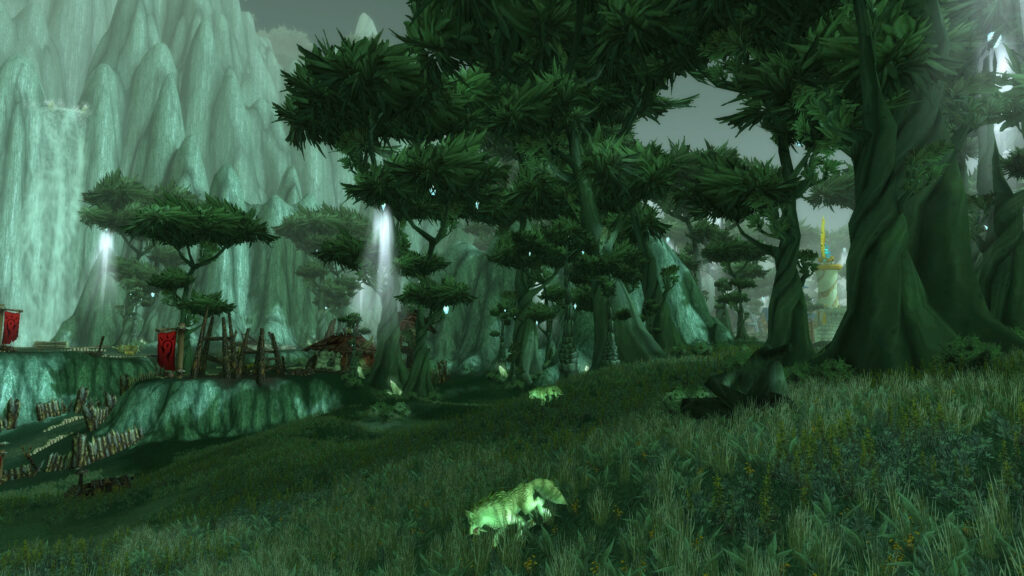
These plants become environmental storytelling tools that reveal which cosmic powers have left their mark on a region.
- Emerald Dream energy: Lush, glowing herbs that signal natural harmony.
- Fel corruption: Sickly plants that pulse, ooze, or decay unnaturally fast.
- Titan influence: Structured herb clusters near ancient machinery.
- Void presence: Darkened flora that warps into unnatural shapes.
- Elemental power: Plants tied to fire, frost, air, or earth environments.
Herbalism as a Window Into Forgotten Civilizations
Herb clusters often grow near settlements, ruins, or ceremonial grounds left behind by long-lost cultures. In Pandaria, herb placement follows ancient farming patterns, showing where pandaren cultivators once tilled the land. In Zandalar, herbs appear along ritual pathways used in troll ceremonies, hinting at old traditions. In Draenor, native plants reflect clans’ unique relationships with the land—frostbitten flora for the Frostwolves, volcanic herbs for the Blackrock clan, and wild, untamed growth in the jungles of the Shattered Hand.
By following herb routes, players unknowingly track the footsteps of ancient societies.
Seasonality, Time-of-Day Spawns, and Natural Rhythms
Some herbs only appear at dawn, bloom at sunset, or spawn more frequently during in-game seasonal events. These timed mechanics reflect natural cycles in the world. Night-blooming herbs appear in zones affected by lunar energy, while sun-favored plants grow in deserts or golden plains. Winter events bring frost-covered variants that hint at the land’s response to changing conditions. These rhythms show that Azeroth behaves like a living ecosystem, not a static backdrop.
Time-linked herbs create patterns that mimic real-world botanical behavior.
Herb Distribution and Environmental Decay
In corrupted zones, herbs act as a visible indicator of environmental collapse. Outland’s shattered islands contain limited flora, reflecting the world’s fractured nature. The Plaguelands show herbs fighting to survive amid decay, their placements sparse and carefully chosen. Maldraxxus hosts fungal growth that reveals a world shaped by necromantic energies. These nodes make environmental damage feel tangible, grounded in small details that reinforce the story of ecological struggle.
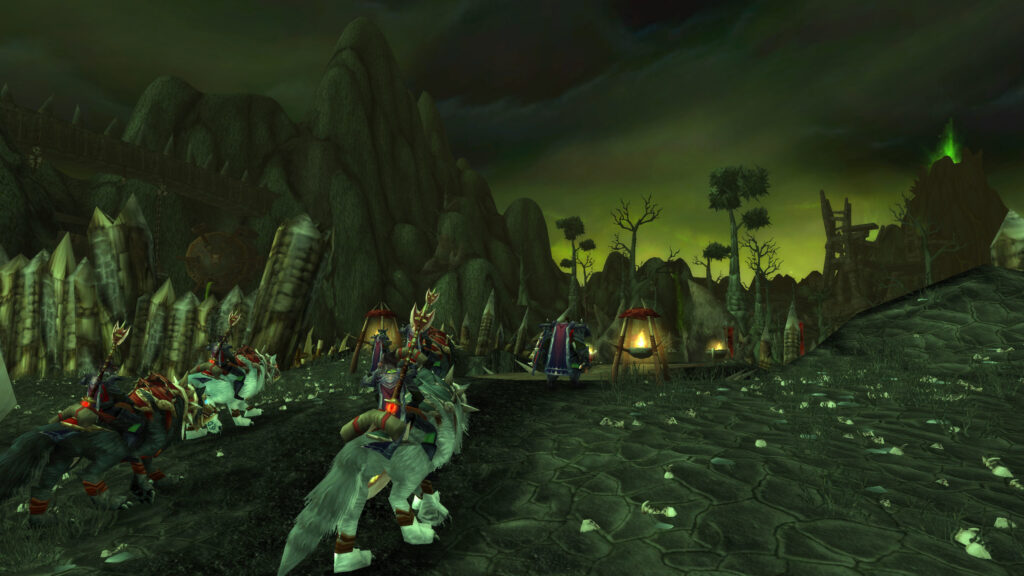
Every herb in these zones becomes a sign of survival—or ruin.
Pandaria: The Pinnacle of Botanical Storytelling
Few expansions used herbalism to convey environmental lore as elegantly as Pandaria. The continent’s plants reveal agricultural practices, cultural relationships with nature, and spiritual influences. Golden Lotus represents purity and celestial blessing, while Snow Lily grows in isolated monasteries shaped by centuries of meditation. Even the placement of herbs among terraced farmlands tells a story of harmony between the pandaren and their environment.
Pandaria’s herbalism routes read like a travelogue of its people and traditions.
The Dragon Isles and the Return of Dynamic Herbalism
Dragonflight introduced dynamic environments, and herbalism evolved accordingly. Plants shift locations based on storms, elemental events, and wildlife patterns. Some herbs bloom near dragon activity, responding to magical resonance. Others appear in places touched by dream energy or ancient titan technology. This dynamic approach makes gathering feel alive—an ever-changing reflection of the land’s magical heartbeat.
The Dragon Isles show that herbalism can evolve into a more reactive, narrative-driven system.
Herbs as Clues to Future Storylines
Sometimes, herb placement foreshadows upcoming threats. Fel plants began appearing more frequently before Legion. Void-touched flora spread in zones near Old God activity in Battle for Azeroth. Even in early alpha builds, new herbs often hint at which environments or magical forces will dominate future story arcs. Plants quietly speak before quests, cinematics, or patch notes ever do.
Attentive players can read the future of Azeroth through its flora.
Conclusion
Azeroth’s plants are more than crafting materials—they are environmental storytellers. They reveal which forces have shaped the land, how ecosystems evolved, which civilizations once lived there, and which magical powers influence the world’s present and future. Every herb is a clue, a piece of history, and a reflection of the world’s ever-shifting balance. To gather herbs is to explore the hidden layers of Azeroth’s environmental lore, one node at a time.
In a game defined by its world, sometimes the smallest details tell the biggest stories.